

Although much more than an ordinary piece of outdoor furniture, a hammock chair has turned the act of relaxation into art through its delicately crafted construction as a personal retreat. Unfortunately, these sanctuaries are too frequently overlooked and demand deliberate, attentive upkeep so far as functionality, aesthetic appeal, and structural integrity are preserved.
Much of what happens in the life of a chair hammock occurs long after it leaves the store: outdoors under the blistering sun of patios, enclosed in intimate quarters inside homes; this sometimes curious piece of furniture can meet all manners of environmental factors head-on.
So, understanding their various makeups and best care is vital for those desiring protection and comfort.

1. Understand the Materials Of Your Chair Hammock
Before maintenance, knowing what materials your chair hammock is made of is important.
Different fabrics used for stitching and other construction methods might have various ways of care. Most heavy duty hammock have cotton, polyester, rope, or one of several specialized outdoor fabrics with unique characteristics and maintenance needs.
Some cotton hammocks are soft and allow for excellent breathability but are more prone to moisture and possible mildew. Polyester and other synthetic fabrics are more weather-resistant and can hold up longer. Rope hammocks are usually made from cotton or synthetic fibers and require gentle handling to avoid fraying and structural damage.
2. Regular Maintenance
Care for a chair hammock begins with regular cleaning. It is less intensive to clean regularly than to wait and allow dirt to aggregate, with the possible deteriorating effects on fabrics. For most chair hammocks, a light weekly cleaning does wonders.
Gently remove the loose dirt and debris with a soft-bristled brush or a gentle vacuum attachment, preventing particulate matter from embedding deeply into the fabric. Mix a cleaning solution for fabric hammocks with lukewarm water and a small amount of unfragrant, light-duty detergent. Avoid harsh chemicals to prevent breaking down fabric fibers or affecting the color integrity.
Clean the surface gently in a circular motion with a soft, damp cloth or sponge. Be extra careful around areas that tend to collect, such as attachment points and edges. Rinse thoroughly with clean water to remove all soap residue that may attract dirt.
3. Handle Stains and Deep Cleaning with Care
Stains are part of the sooner they are treated, the better. Mix a teaspoon or less of a mild detergent made for small spots into this special cleaning elixir of water. Gently dab-there’s that word again, gently -at the entire stain because rubbing either spreads the stain or tugs on the fabric fibers.
For graver spills, try a special fabric cleaner suitable for the material of your hammock. Always test cleaning solutions on an inconspicuous area first for color fastness and material compatibility. Some fabrics require professional cleaning to maintain their integrity.
4. Proper Drying and Storage
Drying is actually equally important as cleaning itself. After having washed your chair hammock, let it dry up, hanging it in a certain well-ventilated place without direct exposure to sunlight; high temperature would make it shrink or change color. Let it fully air dry when getting it stored, or it has been reinstalled to its position.
When not in use, store your chair hammock in a cool, dry place. Store them in breathable fabric storage bags that offer good airflow and protection against dust but not moisture buildup. Avoid the use of plastic covers since they will trap humidity and nurture mildew growth.
5. Protection from Environmental Damage
Outdoor chair hammocks do face challenges when it comes to weather and environmental conditions. Apply protective treatments intended for the fabric type you have. Water-resistant sprays can be applied for additional protection against moisture and UV degradation.
You will want your chair hammock brought indoors and covered with special protection covers in case the weather outdoors is appalling. Extremely intensely shining sun, continuous rain, and freezing temperature might bring on material degradation sooner if a hammock has been there all the time.
6. Inspect Hardware and Structural Integrity in a Timely Manner
Safety and durability are very well ensured with regular inspections of the hardware. Chains, hooks, and mounting brackets are supposed to be checked for rust, wear and tear, and structural weakness. The lubrication of metal parts is needed periodically with the right solution that keeps the rust away for smooth working without corrosion.
Fraying, loose threads, or other potential weak spots should be looked for along the entire length of rope hammocks. Early identification of such minor issues helps to prevent disastrous failures and protects users from harm.
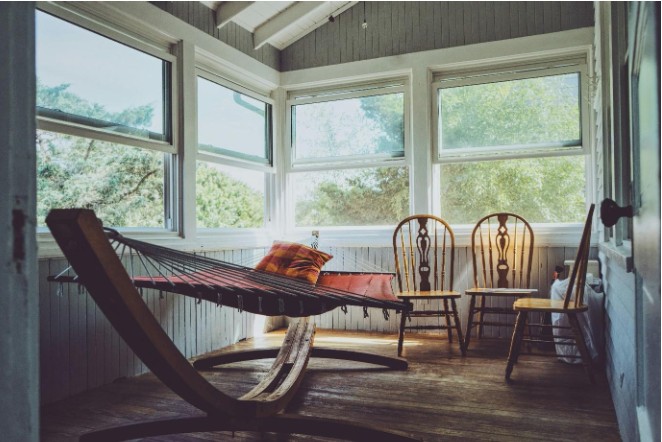
7. Consider Storage Indoors and Protection from Natural Elements
For summer, one would want to lean more toward UV damage protection and higher moisture. Applications of fabric protectant sprays may help against dust and pollen that accumulate during cleaning.
Winter storage needs tenderness and good covering. Well, if the outside storage does not get avoided, breathable covers that are water-resistant ensure moisture evaporates while putting complete protection. Storage preferred indoors in a controlled climatic environment.
8. Investment in Quality Care Products
Proper maintenance product selection is the basic issue that allows the maintenance of quality and the extension of the life of a chair hammock. Not all cleaning and protective solutions are created equal, and inappropriate products can irreparably damage fragile fabrics and materials.
You will also find special cleaners for fabric hammocks, matched for specific material types. Cotton hammocks fare well with mild, pH-neutral detergents that will preserve the integrity of the natural fibers. Synthetic materials, such as polyester, need cleaning solutions that maintain color and don’t break down the material. Household cleaners with harsh chemicals, bleach, or other abrasive elements will degrade the structure of the fabric.
Also, the protective treatments must be as specific: UV-resistant sprays protect the colors of an outdoor hammock from fading and material deterioration, while water-repellent treatments create a unique barrier to moisture without hampering the breathing of the fabric. Always get products from companies that specifically manufacture outdoor and textile products.
9. Safety First
Safety does not stop at the simplest act of looking. Proper philosophy in hammock safety starts with the constant examination into every structure that bears the weight of the user in support of stable suspension. Therefore, conduct a close inspection of the hardware: chains in suspension, carabiners, and mounting brackets need to be examined for any signs of metal fatigue, rust, or other types of structural compromise.

Concluding Remarks
Cleaning a hammock is less routine but rather the care for one’s sanctity and peace. The most successful approaches to hammock care creatively combine preventive maintenance with targeted cleaning and active preservation. It is here that understanding the sensitive interplay between protection and use lies, where these suspended retreats will continue offering their spaces for moments of peace, reflection, and pure relaxation for years to come.
When caring for your chair hammock, it’s important to keep it clean, dry, and properly stored when not in use to prolong its lifespan. If you find that you don’t have enough space to store your hammock indoors, consider using self storage like the storage units Calgary. These units provide a safe, clean, and secure environment for storing seasonal items like hammocks, ensuring they stay in good condition until you’re ready to use them again. This extra storage option can help protect your hammock from the elements, preventing wear and tear during long periods of non-use.
